Shopify for Spirits, Wine & Beverage DTC
Clubs, allocations, age gates, and dual-channel reality - commerce systems for alcohol brands that sell stories and memberships, not just SKUs.
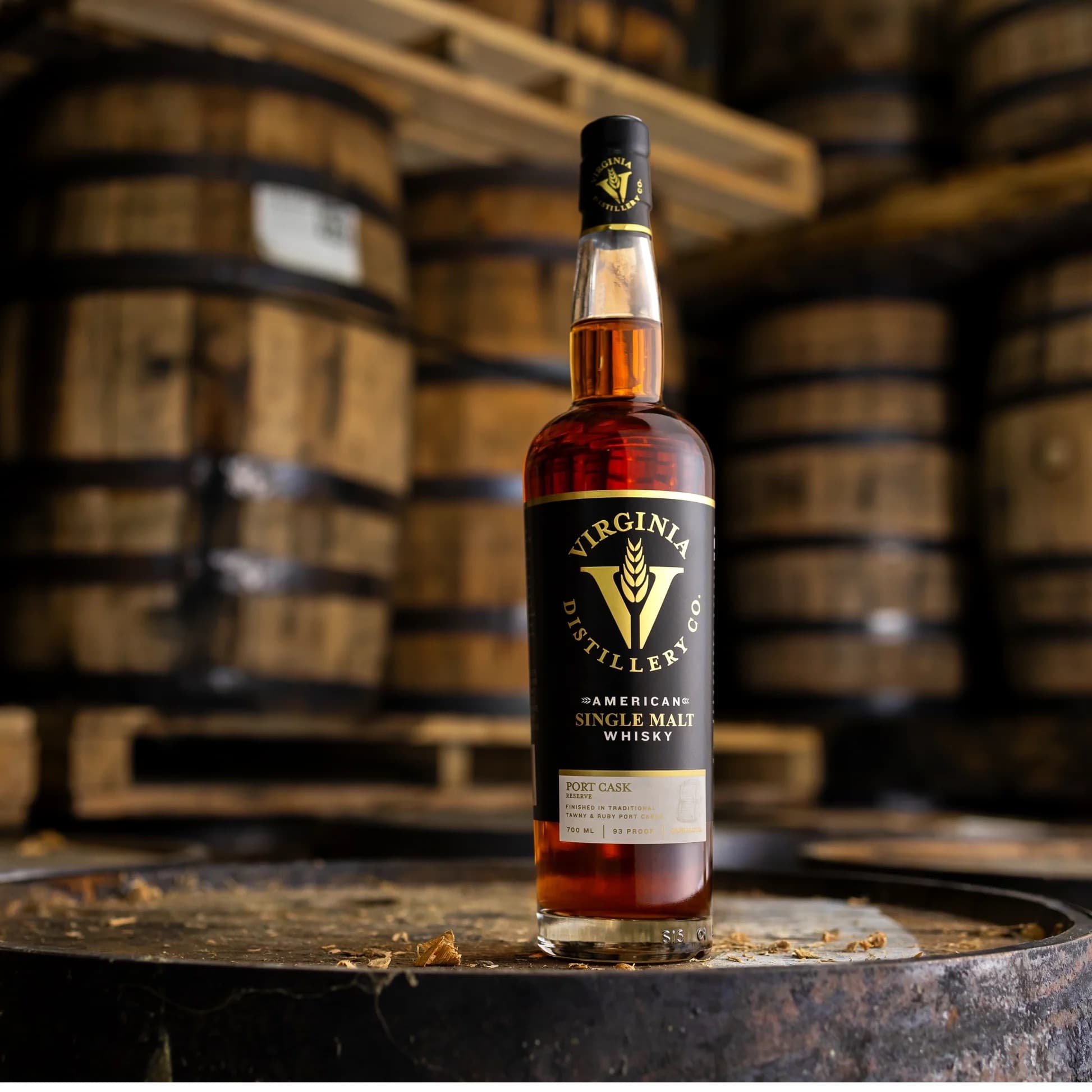
Spirits and beverage DTC is not standard Shopify with a birthday checkbox. Brands sell high-consideration liquid through age-gated storefronts, state-sensitive shipping, allocation drops, tasting-room POS, and membership programs that have to feel like belonging - not a coupon cadence.
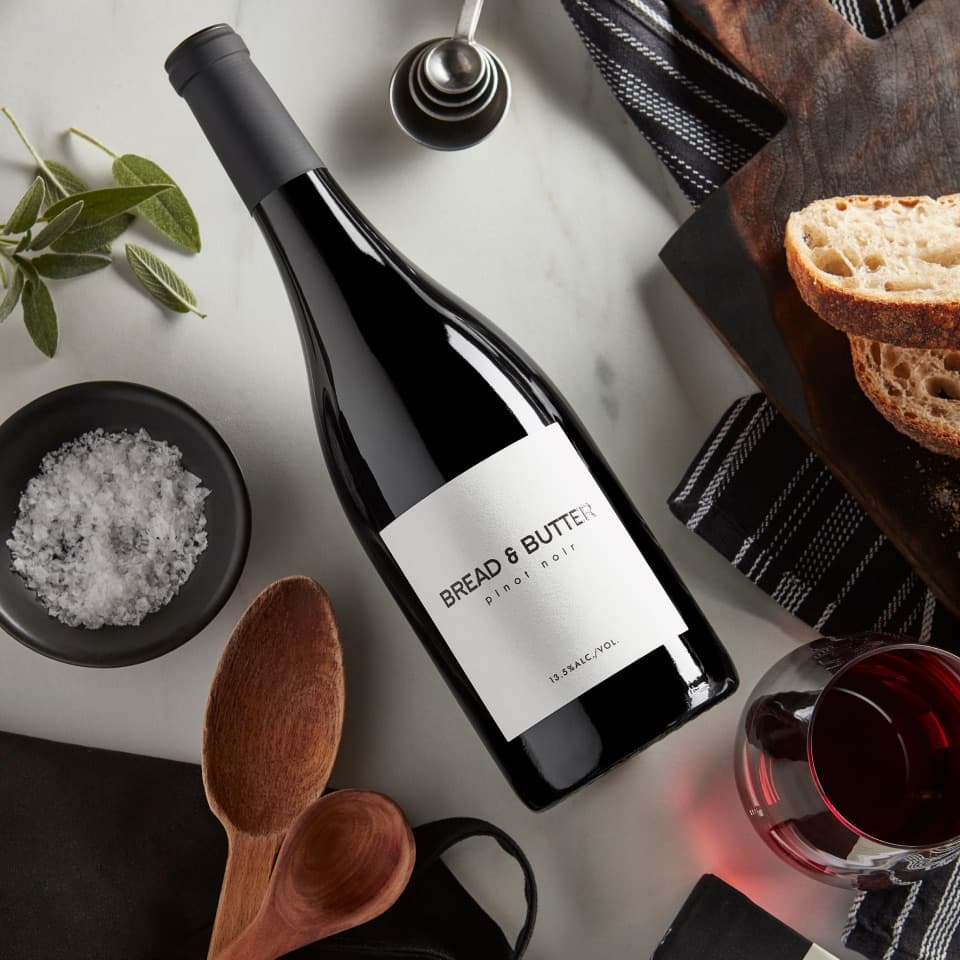
Quarterly clubs and subscription commerce are often the economic engine: curated shipments, member pricing, early access to limited releases, and allocation waitlists that turn scarcity into loyalty. We design the club UX (join, skip, swap, upgrade, gift) and the ops behind it - inventory reserved for members, drop calendars, and Klaviyo journeys that speak in the brand’s voice between boxes.
Propeller built BrewClub - club commerce purpose-built for alcohol brands - so memberships raise LTV instead of fighting generic subscription SaaS. Bookings sells the visit as seriously as the bottle: timed tours, capacity, and Shopify checkout. Paired with Shopify Plus, custom apps, and lifecycle, clubs and bookings become retention infrastructure - not fragile clones.
Compliance shows up as commerce UX and ops: age verification that does not murder conversion, clear shipping eligibility messaging when a destination cannot receive alcohol, and checkout flows that set expectations without pretending to be legal counsel. Triple-tier and wholesale realities still matter - DTC often runs beside distributor relationships - so storefront merchandising, wholesale inquiry paths, and brand storytelling have to coexist without confusing the drinker.
Limited releases and allocation drops need PDPs that earn the cart: provenance, tasting notes, cask stories, bottle photography, and waitlist/notify mechanics. Meta and social discovery only work when the landing experience matches the creative - and when SEO captures the queries collectors already search.
- Club & subscription architecture (BrewClub + Shopify)
- Bookings for tasting-room / tour commerce
- Age-gate and shipping eligibility UX
- Allocation / drop calendars and waitlists
- Story-led PDPs and collection systems
- Klaviyo member journeys and retention
- Plus, apps, and tasting-room POS
Challenges
- Age verification that protects the brand without cratering mobile conversion
- Quarterly clubs, memberships, and allocation models that ops can actually run
- State and carrier shipping complexity surfaced as clear UX - not surprise declines
- Storytelling PDPs for limited releases that still convert under time pressure
- Wholesale + DTC dual motion without diluting brand or inventing channel conflict
- Lifecycle retention for club members between shipments - skip, upgrade, win-back
Capabilities
- Shopify and Shopify Plus builds for spirits, wine, and beverage DTC
- BrewClub - Propeller-built subscription / club commerce for alcohol brands
- Bookings - tours, tastings, and timed experience booking on Shopify
- Age-gated experiences, compliant flows, and eligibility messaging (UX/ops - not legal advice)
- Allocation drops, waitlists, and limited-release merchandising systems
- Klaviyo lifecycle for club members, post-purchase education, and replenishment
- Shopify POS for tasting rooms, events, and retail that shares inventory truth
- Social commerce and SEO wired to the same catalog as paid acquisition
“A quarterly club is not a subscription toggle. It is membership, inventory math, and brand voice in the same system.”
Clubs, allocations, and bottles that earn the cart.
Start a conversationCapabilities for this category
- Shopify AgencyStrategy, design, development, and growth - one team that owns the commerce system.
- Shopify PlusPlus strategy, checkout extensibility, multi-market, and B2B - built for volume and clarity.
- Shopify App DevelopmentCustom Shopify apps - including BrewClub clubs and Bookings experiences - when the App Store cannot grow the business you actually run.
- Lifecycle MarketingTurn first purchases into durable relationships - email, SMS, loyalty, and replenishment as one system.
- KlaviyoFlows, campaigns, segmentation, and deliverability - Klaviyo implemented as a revenue system, not an inbox blast tool.
- Social CommerceTikTok Shop, Instagram Shop, catalogs, and creator commerce wired into your Shopify system of record.
Propeller technology
- BrewClubTurn drinkers into members - clubs, shipments, and exclusives that raise LTV instead of fighting generic subscription apps.
- BookingsSell the visit as seriously as the bottle - tours and tastings that book, pay, and sync without leaking demand.
- Propeller IntelligenceSee what actually moved revenue - then spend, brief, and approve against numbers you can audit.
Questions
What is BrewClub?
BrewClub is Propeller-built club commerce for alcohol brands - memberships, shipments, and exclusives designed to raise retention and LTV, not fight generic subscription SaaS. It sits in our Technology practice beside Bookings and custom Shopify apps.
What is Bookings?
Bookings is Propeller’s booking platform for distillery tours, tastings, and timed experiences - capacity, checkout, and catalog parity so more seats book and guests buy the bottle. See Technology for how it sits beside BrewClub and Plus.
Can you build quarterly wine or spirits clubs on Shopify?
Yes. We design join/skip/swap flows, member pricing, early access, and inventory rules - often on Shopify Plus with BrewClub or custom subscription logic - then connect Klaviyo so members hear from the brand between boxes.
How do you handle age gates and shipping restrictions?
As commerce UX and operations: verification patterns that keep conversion intact, destination messaging when alcohol cannot ship, and checkout clarity. We do not provide legal advice; your counsel and fulfillment partners set the rules we encode.
Do you support wholesale alongside DTC?
We build storefronts that protect brand storytelling for consumers while offering wholesale inquiry, B2B pricing, or separate wholesale experiences when the channel model requires it - without forcing one catalog to do two jobs badly.